Non-Running or Non-Starting? Turn Your Damaged Car Into Cash

Turn Your Damaged Car Into Cash
- Zero Expense: Free nationwide towing from your home, workshop, or panelbeater – no hidden collection fees.
- Instant EFT: Funds are cleared directly into your bank account before your non-runner is loaded.
- Paperwork Handled: Complete assistance with legal NATIS (RC1) ownership transfers and bank finance settlements.
- Any Condition: We evaluate accident damage, non-runners, mechanical failure, gearbox issues, and Code 3 vehicles – preferably no older than 2007.
Non-Running or Non-Starting? Turn Your Damaged Car Into Cash
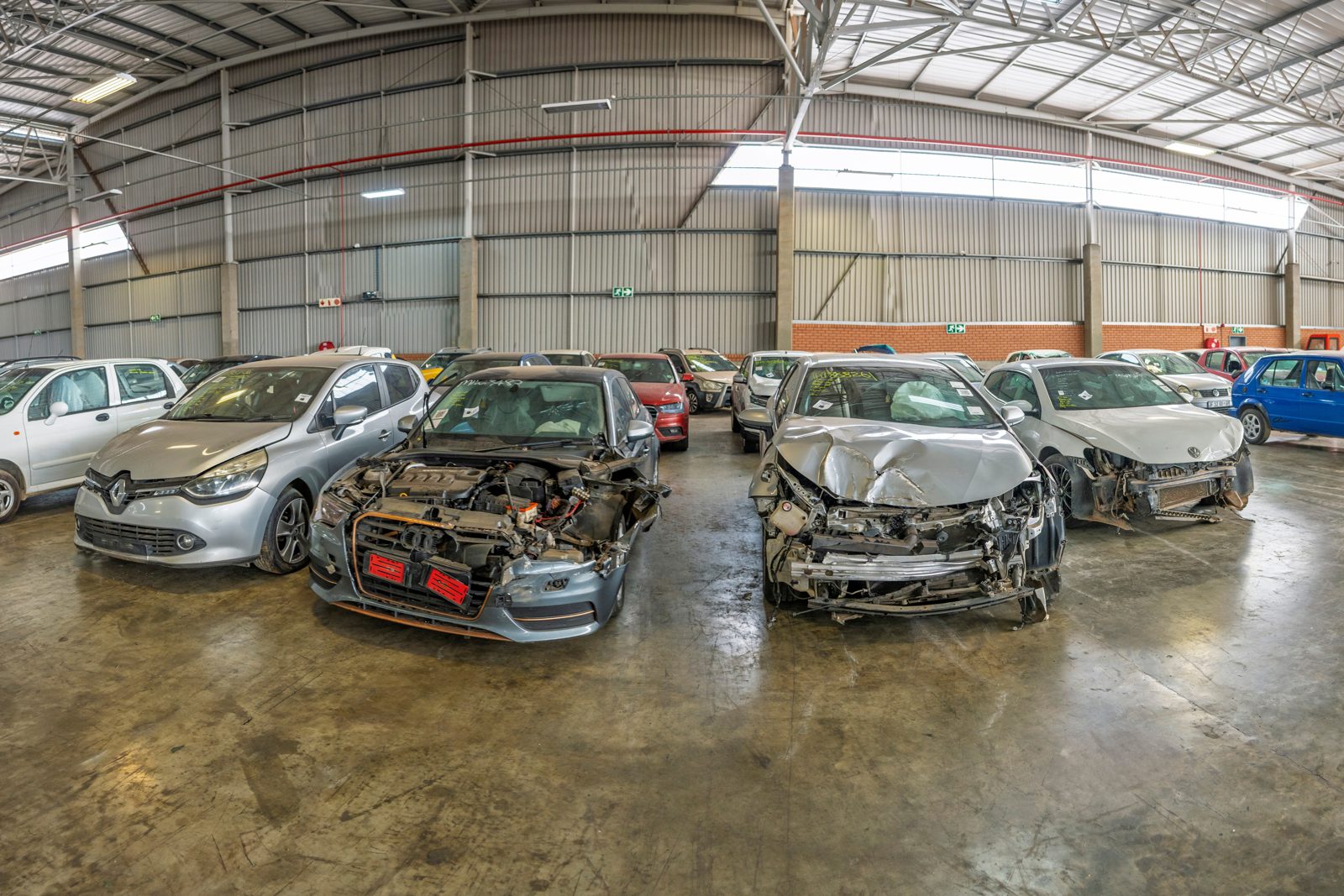
When a vehicle suffers major mechanical breakdown, severe body damage, or simply refuses to start, it quickly transitions from an asset into an expensive liability. Parking a broken car outside your home risks municipal fines, while leaving it at a panelbeater or workshop incurs daily storage fees that rapidly eat away at your remaining equity.
Whether you are facing a massive repair estimate or holding onto an accident-damaged car, selling a damaged car online has evolved into the fastest, safest, and most profitable way to unlock cash.
Today, specialised digital buying platforms allow South Africans to skip the hassle of classified listing sites, avoid private buyer scams, and turn non-starting vehicles into cleared bank funds within 24 to 48 hours.
The Realities of Selling Non-Running vs. Accident-Damaged Cars
Understanding the distinction between mechanical non-runners and structurally damaged vehicles helps you secure the highest valuation when selling damaged cars.
When evaluating options to sell a non-running car, cash solutions and traditional dealerships often turn sellers away because they lack the network to process salvage components or handle heavy repairs.
Specialised buyers, however, evaluate vehicles based on reusable components, metal recovery, and overall market demand, ensuring you receive a fair payout regardless of starting condition.
Learn More About How Things Work At Sell Your Damaged Car
Comparing Your Selling Options in South Africa
Choosing the right channel when selling damaged car assets impacts both your financial return and personal safety.
| Feature | Specialised Online Cash Buyer (SYDC) | Traditional Scrapyard | Private Classifieds (FB / Gumtree) | Dealership Trade-In |
|---|---|---|---|---|
| Payout Basis | Salvage parts & market equity | Scrap weight value | Negotiated market rate | Heavy trade-in discount |
| Payment Speed | Immediate EFT before collection | Cash on scale | Variable / Scam risk | Applied to new loan |
| Towing Logistics | 100% Free nationwide collection | Seller pays/arranges | Seller arranges | Seller delivers |
| Non-Runner Support | Full support for non-starters | Full support | Poor (Buyers expect test drives) | Extremely limited |
| Paperwork / NATIS | Official NCO notification handled | Unofficial / High risk | Manual buyer transfer | Handled internally |
5 Critical Safety Steps When Transacting Online
Selling vehicles on public platforms presents significant safety challenges in South Africa. Follow these critical steps to protect yourself:
- Demand Immediate Cleared EFT: Never allow a tow truck to load your vehicle until funds reflect as available balance in your bank account. Beware of fake deposit slip scams.
- Avoid Strangers Visiting Your Home: Public listings expose your address to unknown buyers; using an established, accredited buying platform removes personal security risks.
- Verify Company Credentials: Check independent review sites like HelloPeter to confirm buyer track records and industry partnerships (such as Auction Nation).
- Insist on Free Collection: Never pay upfront towing fees. Reputable buyers provide complimentary flatbed pickup from your home or repair facility.
- Complete Official Legal Transfers: Ensure an official Notification of Change of Ownership (NCO / Yellow Form) is lodged with the licensing department to prevent future fine liability.
Step-by-Step: From Offer to Bank Payout
The process of turning your non-running car into cash is straightforward and fully digital:
- Step 1: Submit Details Online
Fill out a basic digital valuation form specifying make, model, year, mileage, location, and mechanical condition. - Step 2: Upload Condition Photographs
Provide 6 to 8 clear photos of the exterior, interior, engine bay, and dashboard. Accurate visuals ensure your initial quote matches your final payout without surprise deductions at collection. - Step 3: Review Your Offer
An expert evaluator assesses your car's salvage parts value and generates a guaranteed cash offer. - Step 4: Document Verification & Secure Payment
Once accepted, submit your ID, proof of address, bank details, and NATIS registration papers (RC1). Payment is issued via direct, immediate EFT. - Step 5: Free Pickup & Ownership Release
After you confirm cleared funds in your bank account, a flatbed tow truck collects the car at no cost to you.
Essential Documentation Required
To comply with South African legal standards, prepare the following paperwork:
- Identification: Valid South African Green ID book, Smart Card ID, or Passport.
- Proof of Residence: Municipal utility bill or bank statement (less than 3 months old).
- NATIS Registration Certificate (RC1): Original title deed showing the vehicle is registered in your name.
- Bank Settlement Letter: Required if the car is still under active bank finance.
- Proof of Banking: Official bank confirmation letter or stamped statement for secure EFT transfer.
Frequently Asked Questions
1. What is the fastest way when selling a damaged car to get cash?
Submitting your vehicle details through a specialised digital buyer allows you to receive an offer within hours, finalise documentation, and secure an immediate EFT payment before free pickup is scheduled within 24–48 hours.
2. Can I sell a non-running car for cash offers if the engine is completely seized?
Yes. Seized engines, blown head gaskets, and total mechanical failures are evaluated based on structural condition, interior quality, and reusable auxiliary components. Free flatbed towing is included.
3. How do selling damaged car options compare to local scrapyard quotes?
Scrapyards pay basic scrap metal rates calculated strictly by raw weight. Specialised buyers assess the salvage potential of individual parts, generating significantly higher cash payouts.
4. What are the main risks when selling damaged cars privately on social media?
Private sales expose owners to payment reversal scams, fraudulent deposit slips, unsafe home visits from unvetted buyers, and time-wasting test-drive requests for broken vehicles.
5. Who buys accident-damaged vehicles that have been declared insurance write-offs?
Specialised salvage networks purchase Code 2 (damaged/repairable) and Code 3 (code-cleared/written-off) vehicles across all nine South African provinces.
6. Is it legal to sell a non-starting car that still has outstanding bank finance?
Yes. The buyer requests a 10-day settlement letter from your credit provider (e.g., WesBank, ABSA, Standard Bank), pays the bank balance directly to release the NATIS certificate, and pays any remaining equity to you.
7. What happens if my car's bank settlement is higher than the valuation offer?
If you face a financial shortfall (owing more than the car's damaged market value), you can pay the difference directly to the bank while the buyer pays the remaining valuation amount to settle the account.
8. How do I prove I am no longer responsible for traffic fines after selling my car?
Submitting the Yellow Notification of Change of Ownership (NCO form) along with the buyer's details to your local Traffic Department legally removes your liability for future traffic fines and toll charges.
9. Do I have to pay for towing if my non-running car is stored at a mechanic or panelbeater?
No. Accredited buying services provide completely free flatbed collection directly from workshops, panelbeaters, impound lots, or private residences nationwide.
10. Where can I sell non-running car cash assets in Johannesburg, Pretoria, Cape Town, and Durban?
Digital platforms provide nationwide coverage across all major South African metros and regional hubs, coordinating free local collection regardless of location.