
Selling Your Hail-Damaged Car in 2026
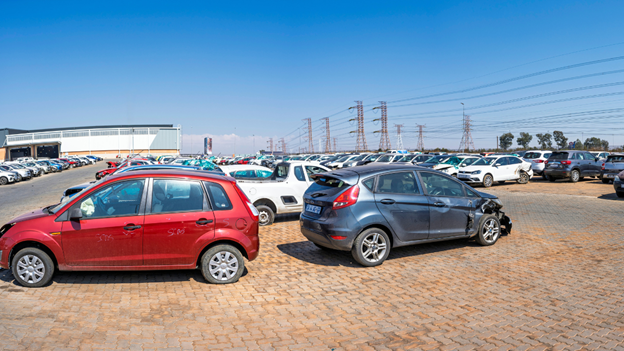
Dealing with the aftermath of a massive South African hailstorm is no joke. In late 2025, cities like Pretoria and Durban saw golf-ball-sized hail that turned streets white in minutes. If you were caught out, you might be looking at a car that looks like a golf ball itself, dented from top to bottom.
When those storms hit, your vehicle's value can drop faster than the temperature. Here’s how to navigate your options in 2026.
Hail damage: When "size matters"
Small stones might just give your car some "character" dents, but once they hit that 2.5cm diameter mark, you’re looking at serious exterior havoc, shattered windscreens, and even mechanical or engine damage.
- Cosmetic (paint intact): Little dents can sometimes be massaged out through Paintless Dent Removal (PDR). It’s a great fix if the factory paint isn't compromised.
- Cosmetic (scratched paint): If your paint is chipped, the repair costs escalate quickly because panels need to be replaced, or a full respray is required.
- Severe damage: This is where things get sleg. Large hailstones can damage the structural components. If your car earns a "salvage" title, repairing it becomes a tedious and very expensive mission.
What is your car even worth?
Should you repair or just sell?
Even minor hail damage can destroy your car's resale value. In 2026, the cost of labour and materials in South Africa means that repainting or replacing multiple panels can easily exceed R20,000.
- The insurance trap: If you’re insured, your company might write the vehicle off because it's too expensive to replace every panel.
- The uninsured nightmare: If you don't have cover, the repair costs often exceed the car's current market value. Yebo, it's often more lucrative to sell the car as-is rather than pouring money into a "rebuilt" title that will always be hard to sell later.
With positive reviews on Hellopeter, SYDC is the safest way to turn your accident-damaged car into moolah.
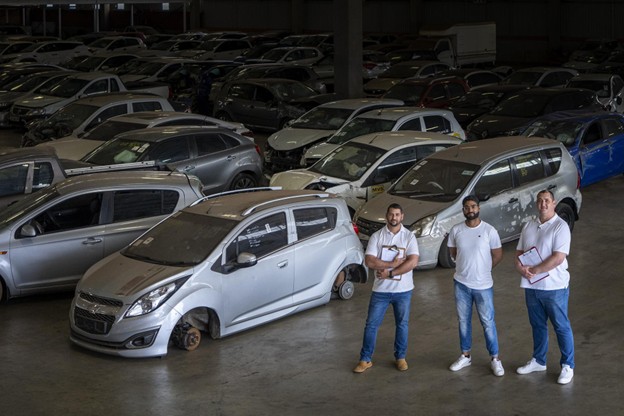
Thola isipesheli sakho semali yamahhala manje
Steps to sell your hail-damaged car fast
If you’ve realised that fixing it is nie die moeite werd nie(not worth the effort), follow these steps to recover your cash:
- Snap the damage: Take clear photos of every angle, cracked glass, dents, and paint chips.
- Get your papers ready: Have your original registration certificate (Natis), ID, and proof of ownership ready to speed things up.
- Get a Real Valuation: Be honest about the damage to get a fair offer.
- Choose a trusted specialist: Don't waste time with dealerships that avoid damaged cars. Look for specialists like Sell Your Damaged Car (SYDC) who offer same-day cash and free nationwide collection.
If the quote is more than your car is worth, it’s time to move on.We pay fast on collection and settle the finance too.
Why choose Sell Your Damaged Car?
Why deal with the stress and the mess of repair quotes? We buy cars in any condition, including those with a Code 2 or Code 3 salvage title.
- Competitive cash prices: We calculate value based on current market trends for salvage parts.
- Free towing: We’ll pick up your non-runner anywhere in SA for free.
- Zero admin: We handle all the paperwork and deregistration for you.
No matter what type of damage your vehicle has sustained, we are here to step in and smooth the way to getting cash in your pocket.
Once you have decided that the hassle, cost and logistics of repairing your hail-damaged car are not worth it, you are in the right space to leverage the online services of a reputable and professional platform that will offer you a competitive cash price but will also tow your
Sell your hail-damaged car FAQs
Q: How much does it cost to repair hail damage in South Africa?
A: Repair costs depend on how extensive the damage is and the type of repair needed. For minor dents and no paint damage, paintless dent removal (PDR) can cost between R500 and R2,000 per panel. However, if your car needs repainting or panel replacement, the costs can easily rise to R20,000 or more, especially for larger vehicles or premium models.
Q: Why is hail damage so expensive to repair?
A: Hail repair costs are high because the process is labour-intensive and often involves specialised tools and techniques to restore the bodywork. Each dent must be carefully removed without damaging the surrounding paint, which takes time and skill. When the paint is scratched or cracked, entire panels often need to be repainted or replaced to maintain structural integrity and aesthetic value.
Q: Does hail damage always require a new paint job?
A: Not always. If the paint is still intact, paintless dent removal is often sufficient to restore your car’s appearance without repainting. However, if the hailstones were large enough to chip or crack the paint, a new coat is necessary to protect the metal from rust and corrosion.
Q: Should I repair my hail-damaged car before selling it?
A: It depends on how severe the damage is and whether your car is insured. For minor dents, small cosmetic repairs might slightly increase your resale value, but for severe hail damage — especially when the repair costs exceed the car’s value — fixing it is rarely worth it.
Q: What paperwork is needed to sell a hail-damaged car?
A: You’ll need your original vehicle registration certificate, a valid ID, and, if applicable, proof of ownership or a settlement letter from your bank if the vehicle is financed. A signed change of ownership (NCO) form is also required by the traffic department. Reputable buyers like Sell Your Damaged Car assist with all the paperwork, including deregistration if the car is written off or classified as salvage.
Q: Can a hail-damaged car still be registered and sold legally?
A: Yes — as long as the vehicle still has a valid VIN and registration, you can legally sell it in South Africa. However, if your insurer has declared it a “Code 2 (used)” or “Code 3 (rebuilt/salvage)” vehicle, you’ll need to disclose this to the buyer. Cars with hail damage that doesn’t affect safety or structure can remain registered, while severely damaged ones may need clearance from the SAPS and the licensing authority before resale.
Q: Are there specific buyers for hail-damaged cars?
A: Absolutely. Traditional dealerships often avoid damaged cars, but there’s a niche market of professional damaged-vehicle buyers who specialise in assessing, towing, and reselling these cars — either for parts or refurbishment.